Utilities
Why meter-to-cash programs stall, and how to de-risk the cutover
The five failure points we see most often in CCS and C2M migrations, and the controls that keep go-live on schedule.
May 2026 · 7 min · Oracle Utilities Practice Lead
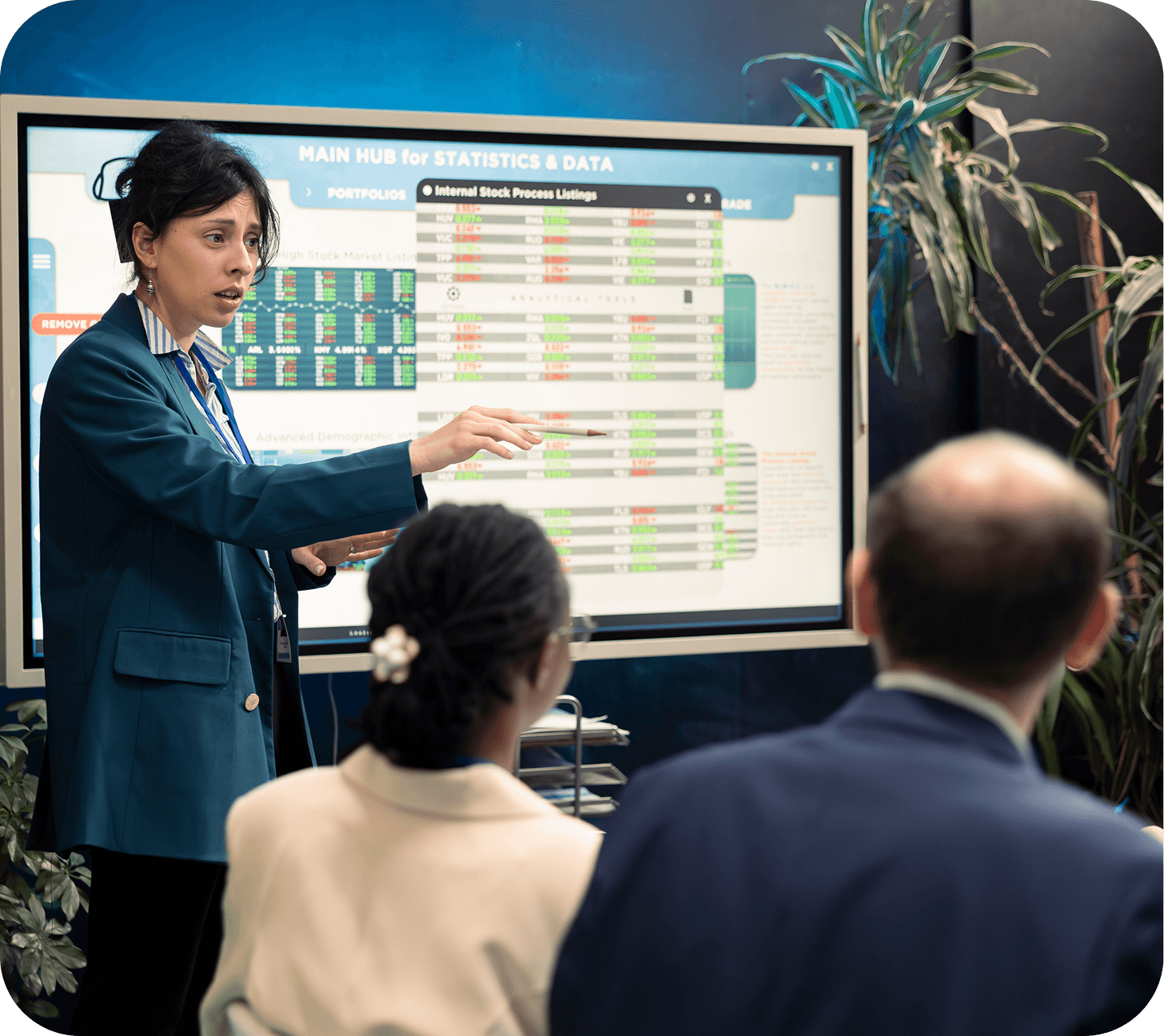
A billing migration is one of the few enterprise programs where the failure mode is public. If a CRM go-live slips a week, sales notices. If a billing cutover goes wrong, customers get the wrong bill, the call center lights up, and the regulator wants a word. The stakes shape everything about how the work should be run.
Across more than a decade of CCS and C2M programs, the reasons they stall are remarkably consistent. None is exotic. All are avoidable with controls put in place early rather than improvised late.
1 · Data that was never as clean as everyone believed
Legacy billing data is always worse than the source-system owners think. Accounts in impossible states, meters with overlapping service periods, adjustments that never balanced. The teams that go live on time are the ones that ran data profiling in the first month, not the first cutover rehearsal.
2 · Treating reconciliation as a phase, not a discipline
Every mock conversion should reconcile to the cent against the legacy system, and every variance should be explained before the next mock begins. Programs stall when variances are logged and deferred. They succeed when an unexplained variance stops the line.
3 · Underweighting integrations
The billing engine is rarely where cutovers fail. The integrations around it, payments, metering, general ledger, customer channels, are. They are owned by different teams, tested last, and discovered late. We pull integration testing forward and treat each interface as a deliverable in its own right.
- Profile and remediate data in month one, not at mock three
- Reconcile every conversion to the cent, and let variances stop the line
- Test integrations as first-class deliverables, early
- Rehearse the cutover until it is boring
- Agree rollback criteria before go-live, not during it
4 · A cutover never rehearsed end to end
The cutover runbook should be executed in full, under time pressure, more than once before the real thing. A dry run that takes eleven hours when the window is eight is not a failure; it is the cheapest possible warning. Discovering the same gap on go-live night is the most expensive.
5 · No agreed definition of "stop"
The hardest decision on any cutover is whether to roll back. It cannot be made well at 3 a.m. under fatigue. Agree the go/no-go criteria in writing, weeks ahead, with the client's name against each one. Deciding in advance is what makes the decision survivable in the moment.
You do not get to move fast and break things when the things you might break are essential to daily life.
None of this is glamorous. It is checklists, rehearsals and reconciliation, the unremarkable work that only matters when something breaks. That is precisely why it matters.
Have a system you can't afford to get wrong? That's the kind of work we were built for.
Start a conversationMore from EWG